How to use geobag
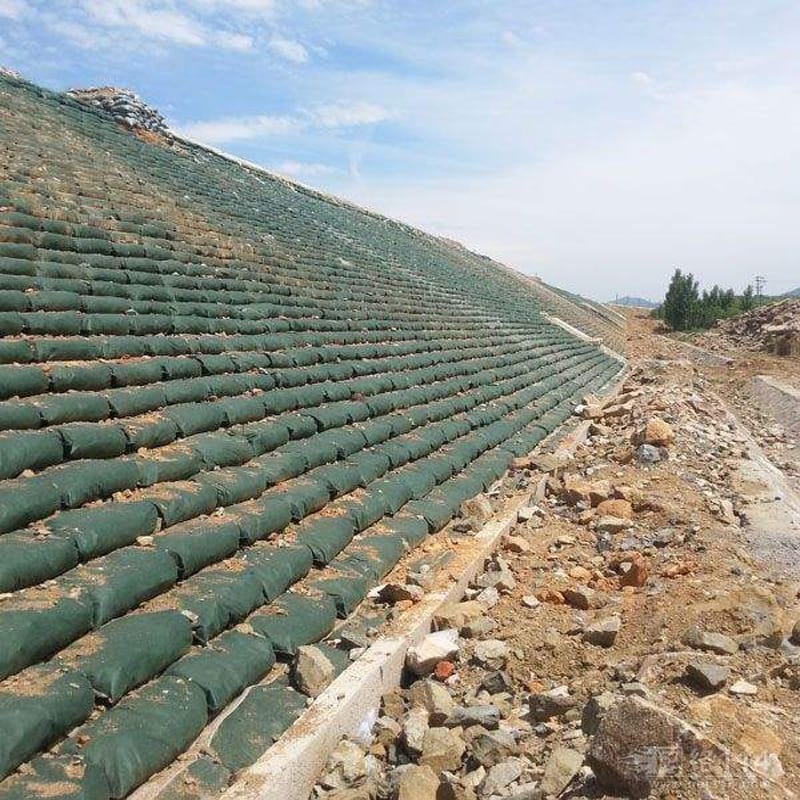
Geobags are a powerful tool in erosion control. They offer a sustainable solution for protecting vulnerable landscapes. These bags are made from durable geotextile materials.
Filled with sand or soil, geobags are placed in areas prone to erosion. They are commonly used along riverbanks and coastlines. Their eco-friendly nature allows them to blend with the environment.
Proper installation is key to their effectiveness. It involves strategic placement and secure anchoring. This ensures long-term stability and protection.
Geobags are versatile and cost-effective. They provide an alternative to traditional methods like concrete barriers. Their flexibility makes them suitable for various applications.
In this guide, we will explore how to use geobags effectively. From installation to maintenance, learn the best practices for optimal results.
What Are Geobags and Why Use Them?
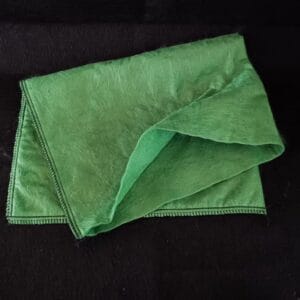
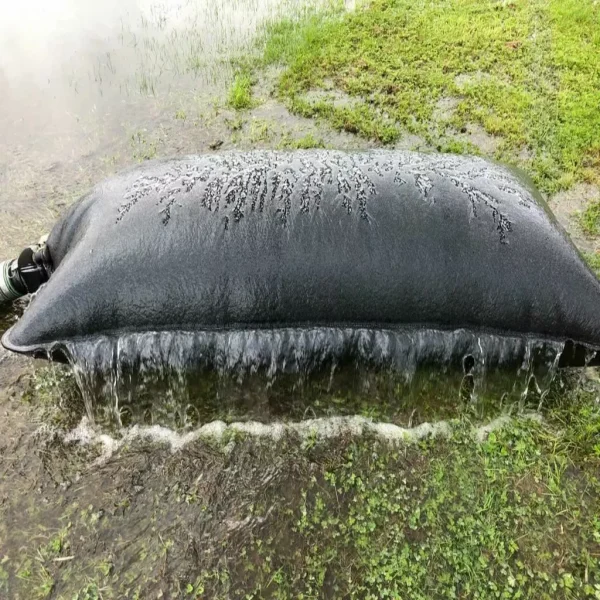
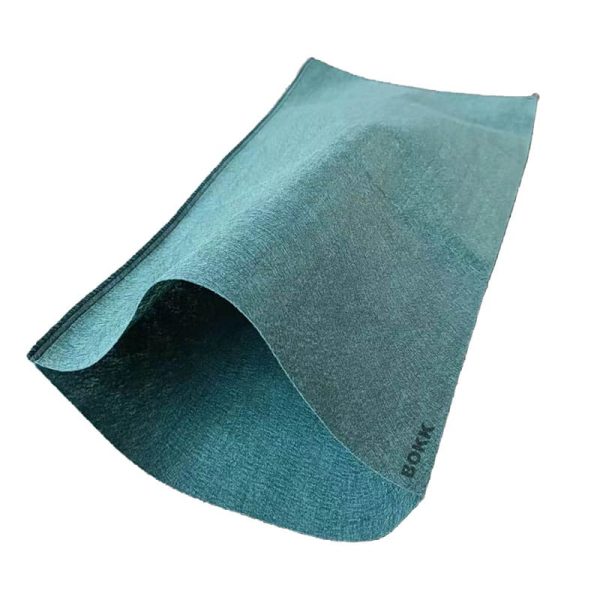
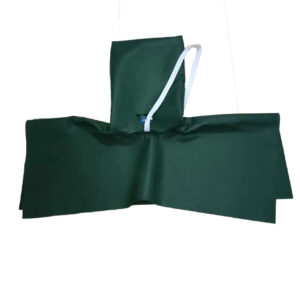
Geobags are specially designed containers made from permeable geotextile fabric. They are filled with materials like sand or soil. This makes them ideal for reinforcing areas prone to erosion.
The primary role of geobags is to stabilize and protect landscapes. They offer a natural solution that integrates into existing environments. This helps reduce wave energy and supports the growth of vegetation.
Their design allows water to pass through while retaining soil. This reduces erosion and sedimentation, improving water quality. These advantages make geobags a preferred choice for many erosion control projects.
Here are some reasons to use geobags:
- Eco-friendly: They blend with the environment over time.
- Cost-effective: They are cheaper than concrete barriers.
- Versatile: Suitable for various projects, from coastal protection to flood management.
Key Applications of Geobags
Geobags serve a variety of purposes in erosion control and environmental protection. They provide a flexible, adaptable solution for various landscapes. Professionals often choose them for their efficiency in addressing site-specific challenges.
Here are some key applications of geobags:
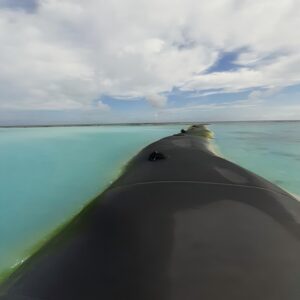
- Coastal Protection: Protect shorelines from wave-induced erosion.
- Riverbank Stabilization: Prevent riverbank collapse due to high water flow.
- Flood Management: Quickly assemble barriers during emergencies.
- Stormwater Management: Manage runoff in urban settings.
- Habitat Restoration: Create stable environments for plants and animals.
Due to their versatility, geobags can be used alone or with other solutions. They provide immediate results by defending against soil loss and supporting nature’s resilience. With multiple applications, geobags help maintain and restore ecosystems efficiently.
Preparing for Geobag Installation
 Proper preparation is vital for a successful geobag installation. Begin by analyzing the site to understand the erosion patterns and environmental conditions. This ensures the solution is tailor-made for the specific area.
Next, gather all necessary materials and tools. This includes geobags, filling materials like sand or soil, and anchoring equipment. Double-check you have everything before starting, as missing items can delay the process.
Here’s a checklist to ensure you’re prepared:
- Conduct a thorough site assessment
- Acquire the right tools and equipment
- Obtain filling materials (sand, soil)
- Plan the layout and positioning of geobags
- Consider environmental factors (weather, water flow)
Step-by-Step Guide to Geobag Installation
The installation process for geobags involves several systematic steps. Begin by positioning the geobags correctly according to the site plan. This placement is critical for achieving optimal erosion control.
First, fill the geobags with your chosen material, typically sand or soil. Ensure they are neither overfilled nor underfilled to allow flexibility and proper fit. This balance is crucial for durability and effective protection.
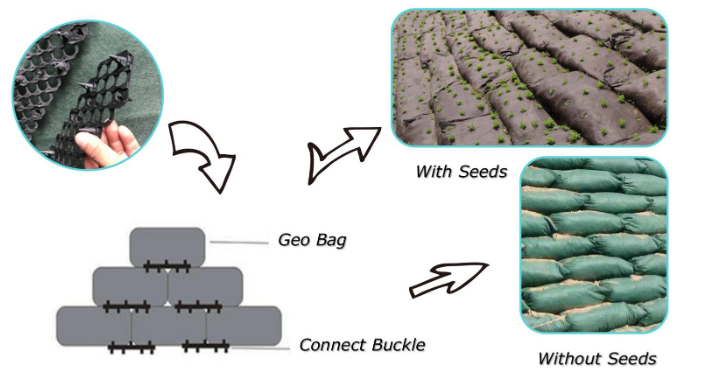
Once filled, move on to placing the geobags on the prepared surface. Start from the bottom layer, gradually building upwards. This approach ensures stability and even pressure distribution.
Secure each layer of geobags using suitable anchoring methods. This might involve tying bags together or using stakes, especially in areas with high water flow. Good anchoring prevents movement and displacement.
Next, check the alignment and positioning of the geobags. The formation should be consistent with no gaps, as this prevents weak points. Doing so ensures comprehensive protection for the area.
Lastly, closely monitor the installation for any issues. Watch for shifts or leaks, especially after the initial placement. Early detection helps maintain the structure and enhances longevity.
Using these methods ensures a robust and long-lasting geobag installation. The steps outlined offer a comprehensive guide for achieving effective erosion control.
Best Practices for Effective Geobag Use
To maximize the effectiveness of geobags, adhere to proven best practices. These practices ensure that geobags perform optimally under various conditions.
First, choose the appropriate geobag type based on the site’s environmental conditions. Consider factors such as water flow, soil type, and climatic conditions. This selection affects longevity and performance.
Also, involve skilled personnel who are experienced in geobag installation. Proper handling can prevent common errors that may compromise the installation. Their expertise adds value to the overall project success.
Follow these best practices to enhance geobag use:
- Regularly inspect and maintain installations.
- Ensure proper alignment and anchoring.
- Adapt methods to local environmental conditions.
Incorporating these practices not only enhances effectiveness but also prolongs the life of the installations. By doing so, geobags provide consistent erosion control and environmental protection.
Maintenance and Inspection of Geobag Installations
Regular maintenance and inspection are vital for the sustained performance of geobag installations. Over time, environmental factors can affect their integrity and efficacy.
Inspect installations periodically to detect any signs of damage or wear. This includes checking for bag displacement, erosion around the bags, and signs of material degradation. Early detection prevents small issues from becoming major problems.
A maintenance checklist can include the following:
- Monitoring for UV damage.
- Assessing water flow patterns.
- Ensuring bags remain securely anchored.
Implementing a routine maintenance schedule boosts the longevity of geobag installations. This proactive approach ensures continuous protection of your site’s integrity against erosion forces.
Advantages and Limitations of Geobags
Geobags offer numerous advantages in erosion control and environmental protection. They are eco-friendly, integrating well with natural surroundings. Their flexibility allows them to adapt to changing environmental conditions, making them suitable for various projects.
However, geobags have limitations. They require precise installation for optimal performance and may not suit all settings. Additionally, prolonged exposure to harsh conditions can affect their durability.
Key points to consider include:
- Advantages: Eco-friendly, adaptable, cost-effective.
- Limitations: Requires careful installation, not universally applicable, durability concerns in extreme environments.
While geobags are versatile, assessing specific project needs is crucial to ensure effectiveness and sustainability.
Conclusion
Geobags present a sustainable and flexible solution for erosion challenges. Their ability to integrate into various environments makes them invaluable in protecting coastlines and stabilizing riverbanks.
From enhancing marine biodiversity to managing flood risks, geobags provide both temporary and permanent solutions. Proper installation and regular maintenance are crucial for their success. By choosing geobags, professionals can implement cost-effective, environmentally friendly strategies for erosion control and habitat restoration.